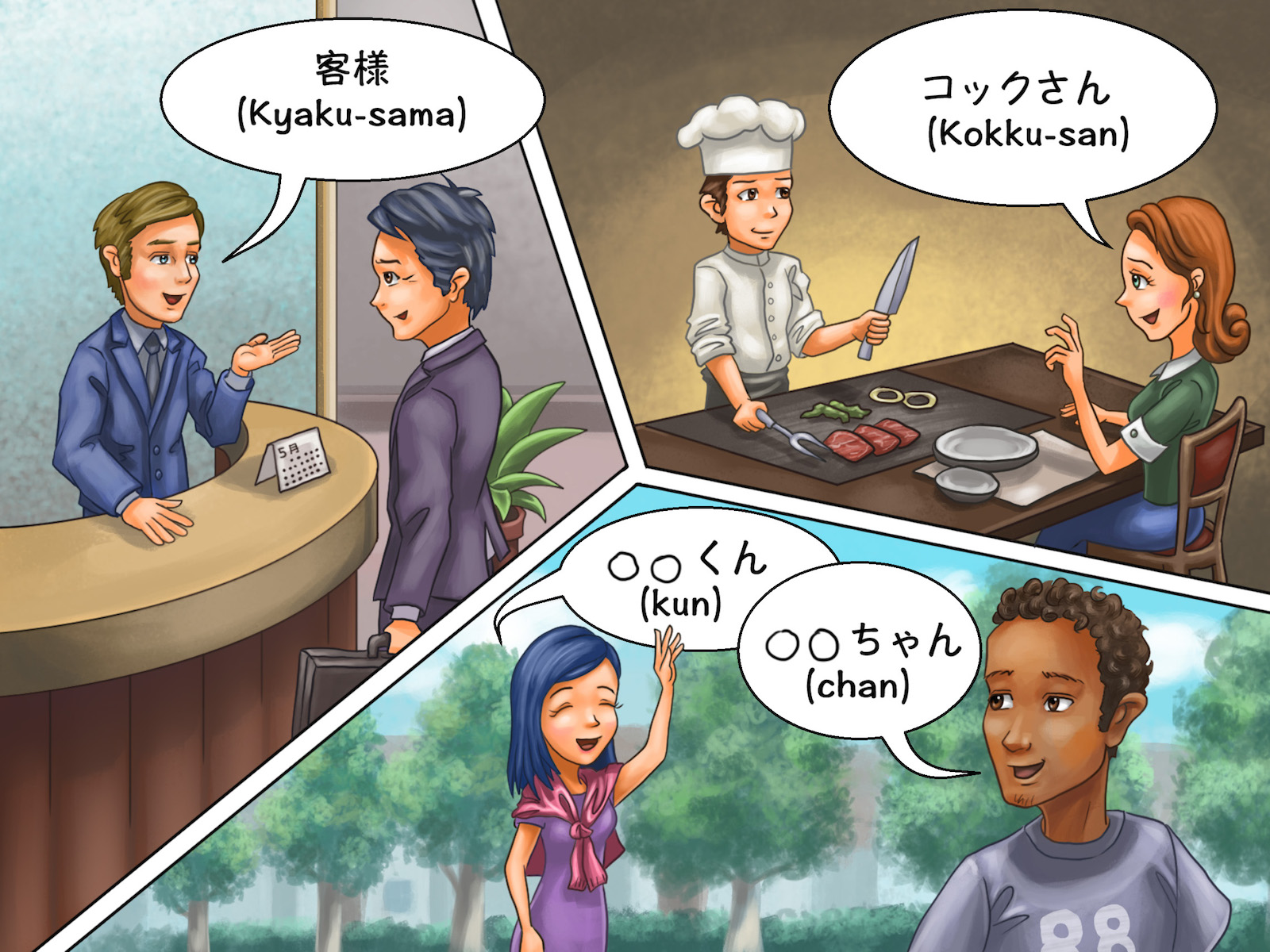
Sama (様) is the most formal and polite japanese honorific and means “mr”, “mrs”, “ms”, or “miss” in english. It is primarily used when addressing guests, visitors, customers, or addressees in. What does sama sama mean in japanese?
様様, 様々 さまさま samasama. Parts of speech suffix our gracious (queen); Honorific that attaches to name of a person or thing that has.
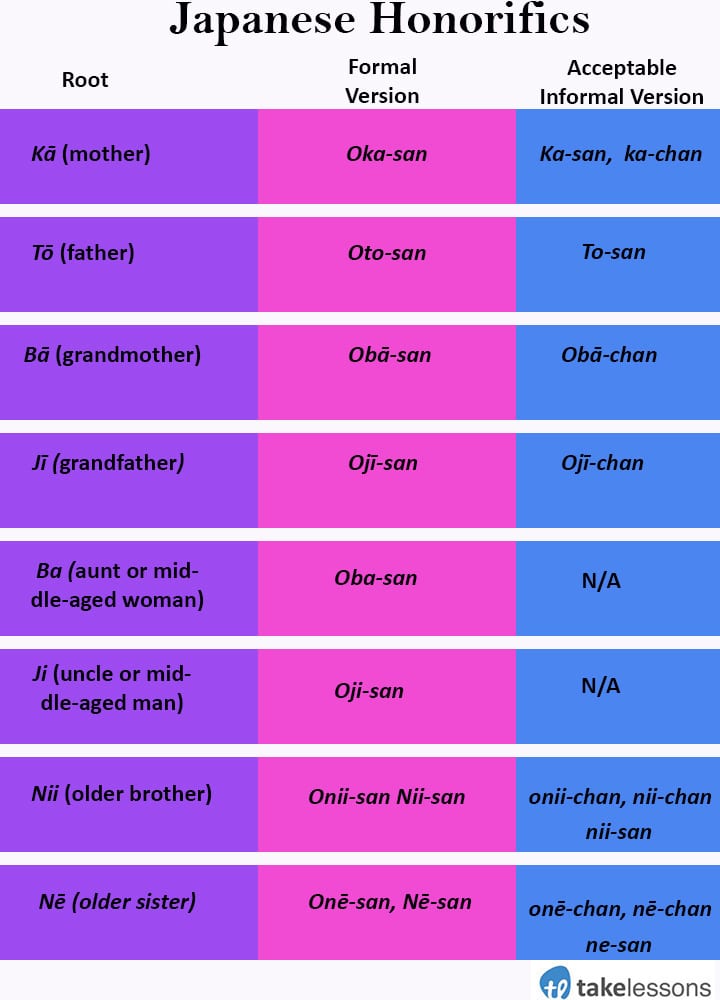
Sama (さま) sama is the respectful version of san, mostly used in business and clientele context. This is since the implied superiority of the guest or customer is very strong. What does sama, kun, san and chan mean in japanese?
It’s a way of showing your respect to someone! The term “sama” means you are speaking to someone of a higher status than you. Sama (さま)is the respectful version of san, mostly used in business and clientele context as the implied superiority of the guest or customer is very strong.
What mean sama in japanese? Usually used to refer to customers who are deserving of the utmost respect status in japan,. What does 様 (sama) mean in japanese?
English translation mr more meanings for 様 (sama) so as to conjunction 陽 so that conjunction よう like adjective 同様, 同質, 均しい, 似ている, 同質的. What does sama mean in japanese? Usually used to refer to customers who are deserving of the utmost respect status in japan, people of.
However, if it is written in katakana as サン (san) it actually means “sun” in english. While written in kanji it has all kinds of meanings depending on which chinese character is used including. “sama” can mean “high” in japanese.
In addition to royalty, it can also be used to refer to a. What is sama in japanese? Sama (様, さま) is a more respectful version for individuals of a higher rank than oneself.
Appropriate usages include divine entities, guests or customers.