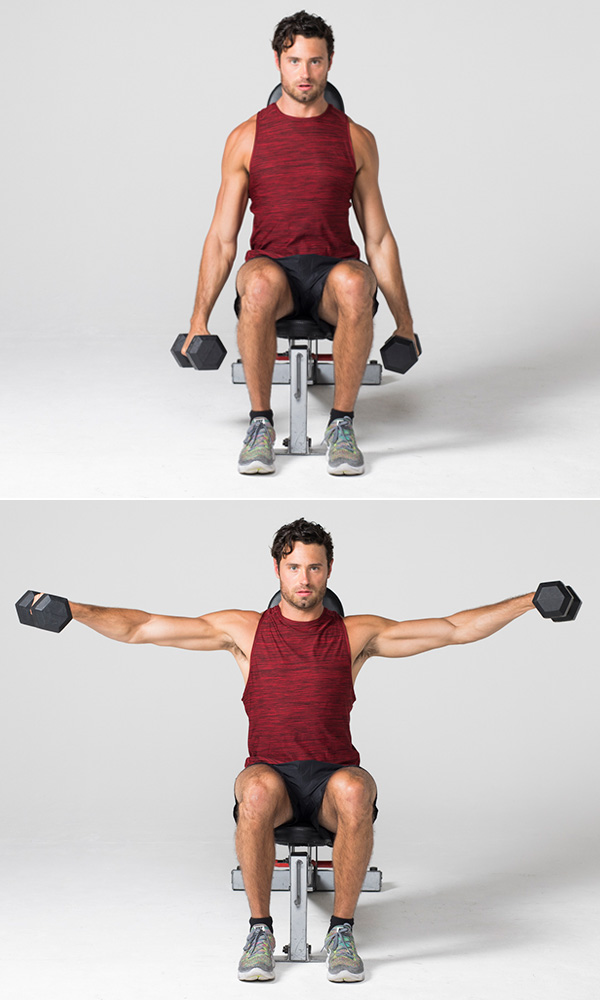
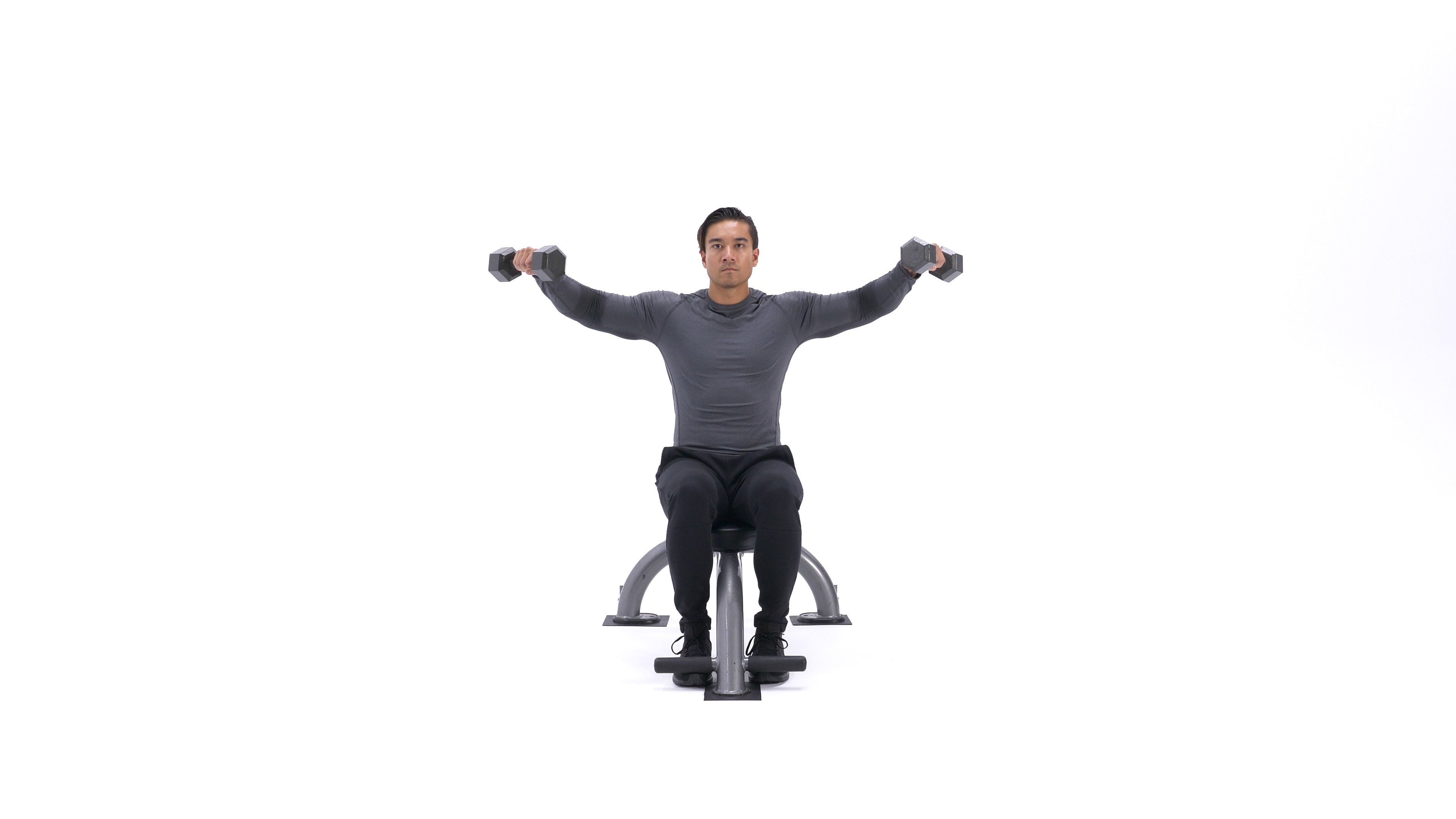
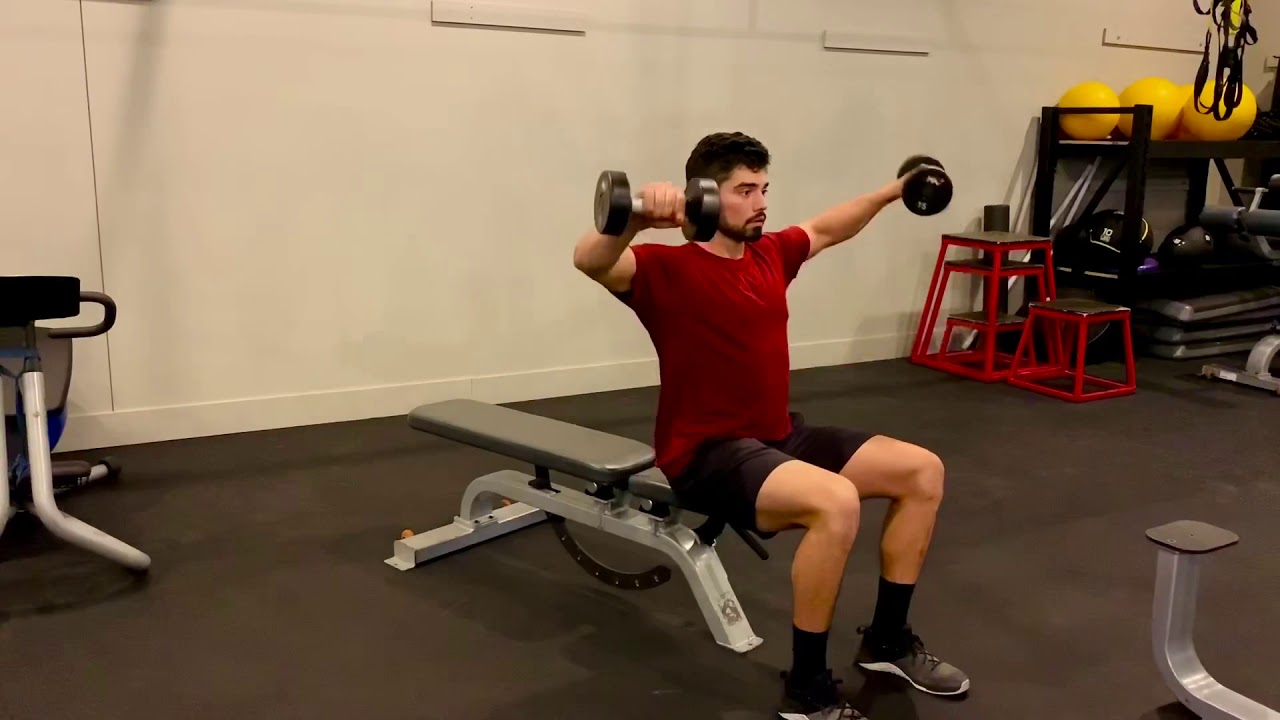
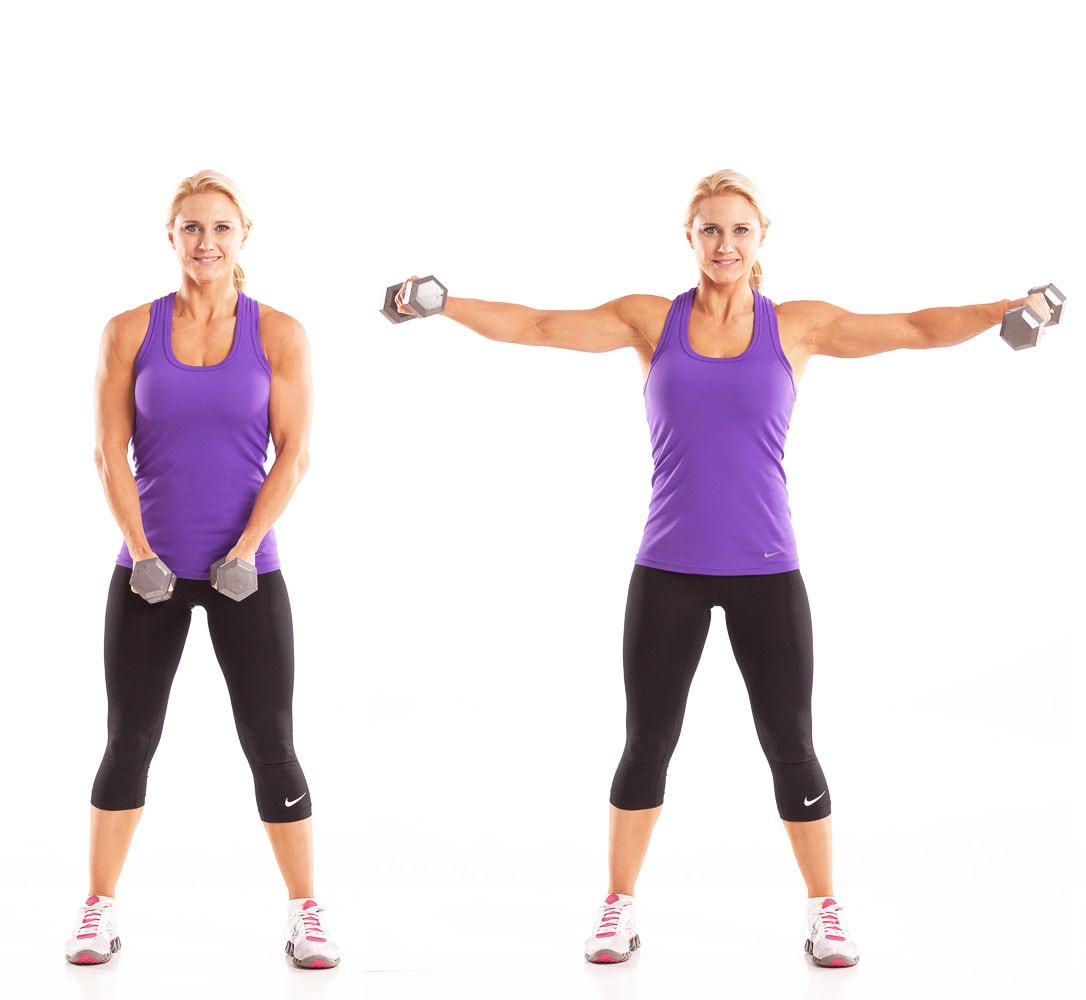
Extend your arms out to the side and guide the weight up. Your arms should come to parallel with the floor. Pause, slowly lower the weight back to the starting position.
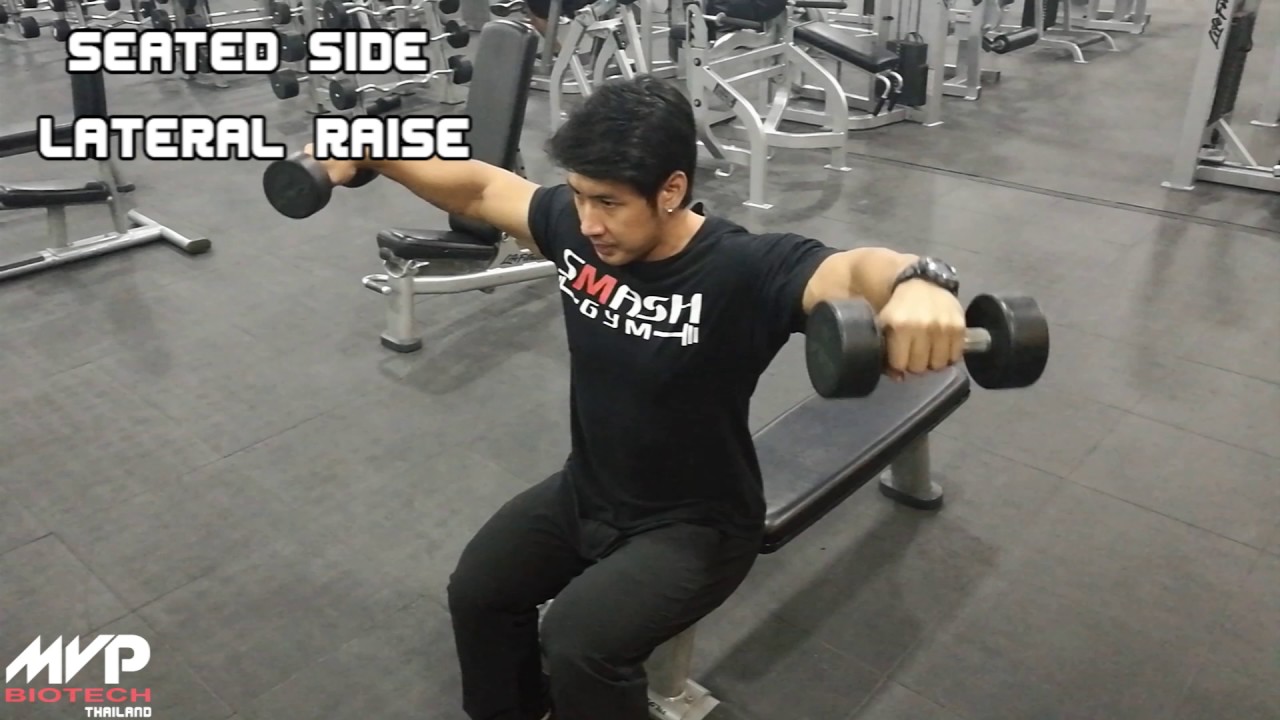
Seated lateral / side shoulder dumbbell raises is a gym work out exercise that targets shoulders and also involves neck & upper traps. You can target your posterior deltoids with the rear laterals, using dumbbells, cables, and machines. This is the same as the basic exercise (standing bent.
Please follow the instructions and video below instead of the image while i have the image redesigned. Holding a dumbbell in each hand, sit on the end of a bench or on a chair. Keeping your back straight, lean forward a little.
Let the dumbbells hang down by your sides, with your elbows slightly bent. Externally rotate your shoulders a little. Seated side lateral raise instructions.
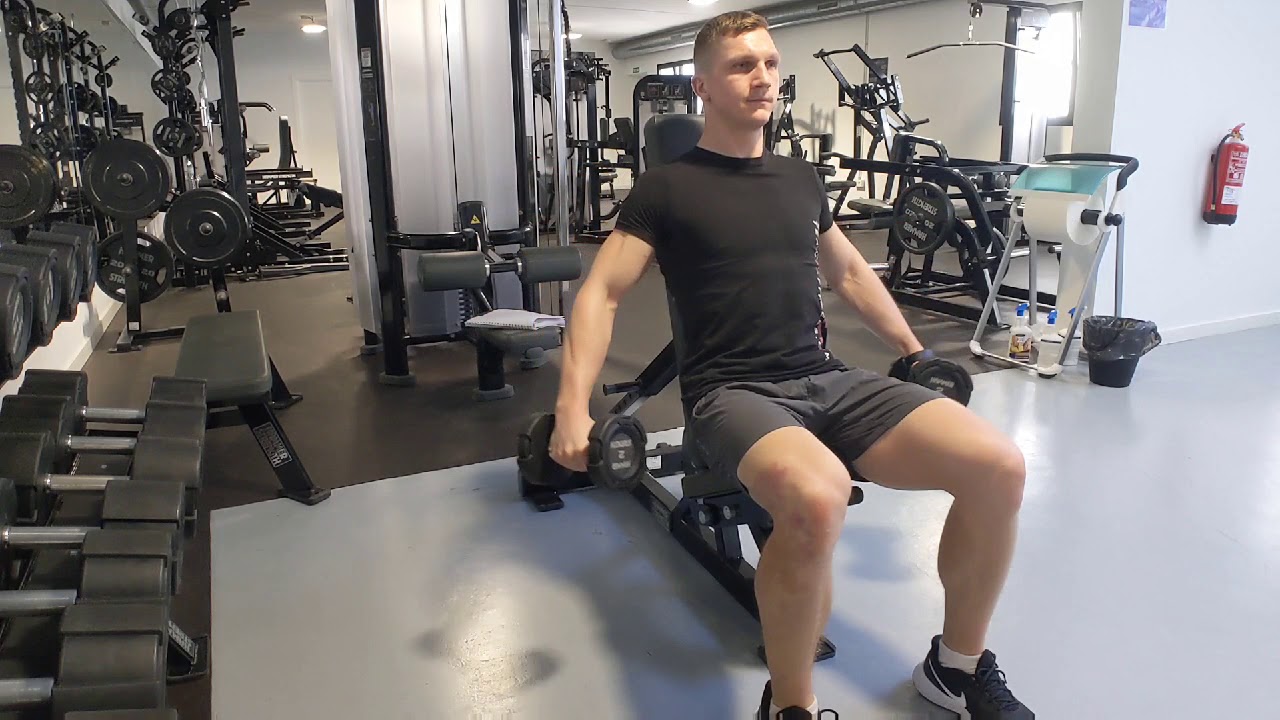
Pick a couple of dumbbells and sit at the end of a flat bench with your feet firmly on the floor. Hold the dumbbells with your palms facing in and your arms straight down at your sides at arms' length. This will be your starting position.
Get a great fat burning workout with shapefit exercise bands and jump ropes! How to do seated side lateral raise : Sit on a flat bench with a dumbbell in each hand.
Keep your feet shoulder width apart and sit upright with the dumbbells extended down by your sides, palms facing in. This is your starting position. Keep your elbows slightly bent and exhale as you raise the dumbbells straight out to the.
A dumbbell lateral raise is an isolation exercise that targets your shoulder muscles. This move is performed by holding a dumbbell in each hand and raising your arms out to the sides, keeping your elbows slightly bent. The key to this exercise is to keep your core engaged and to move slowly and with control.
Dumbbell lateral raises are a great. Seated dumbbell side lateral raise. In this variation, the technique is similar, only the starting position is slightly different.
You are sitting on a bench resting your shoulder blades against the back of the bench, your arms hang down along your torso. From this position, the movement of the hands begins. Former arnold classic champion & 3x mr oly.
The side of your shoulder is targeted with a seated dumbbell side lateral raise exercise (lateral head). Standing is also an option for this side deltoid workout. You may avoid cheating on this shoulder exercise by doing it seated with your back flat on the back of a chair.
Seated dumbbell lateral raise instructions. Grab a pair of dumbbells and sit up straight with your feet around shoulder width apart on the edge of a flat bench. Hold the dumbbells down at your sides with your palms facing in.
Hold the dumbbells out at around 4 inches from your body. This is the starting position for the exercise. Hold the dumbbell in each hand with a neutral grip.
Then, bend your torso over slightly and bend your knees. Now, bend your elbows slightly and raise the dumbbells up until your arms form a horizontal line. Tilt the dumbbells slightly backward to prevent internal shoulder rotation and exhale during the lift.
The seated dumbbell lateral raise is an exercise that targets the shoulder muscles, particularly the medial or middle head of the deltoids. Performing it on a bench helps enforce strict form and eliminate swinging or using momentum to move the weights. Seated dumbbell lateral raise targets the side of your shoulder (lateral head).
This side deltoid exercise can also be performed standing, but seated version with your back flat against the back of a chair will help eliminate any cheating on this shoulder exercise. Doing your side laterals seated offers several advantages over doing them standing. First, your ability to cheat the weight up using your legs is gone.
1 hold one dumbbell on one hand and stand with the other hand on a pillar or a bar for support. Now lean away towards the side and the dumbbell should be at the lateral side of the thigh. This will be your starting position.
Raise the dumbbell up to the side while breathing out and stop at the top such that your hands are parallel to the.