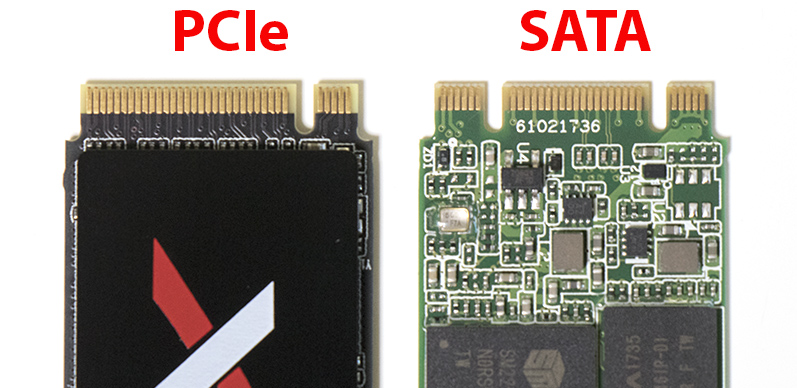
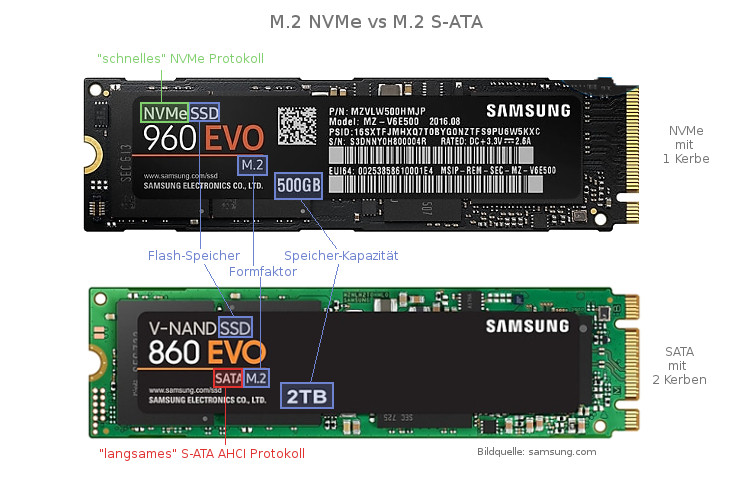
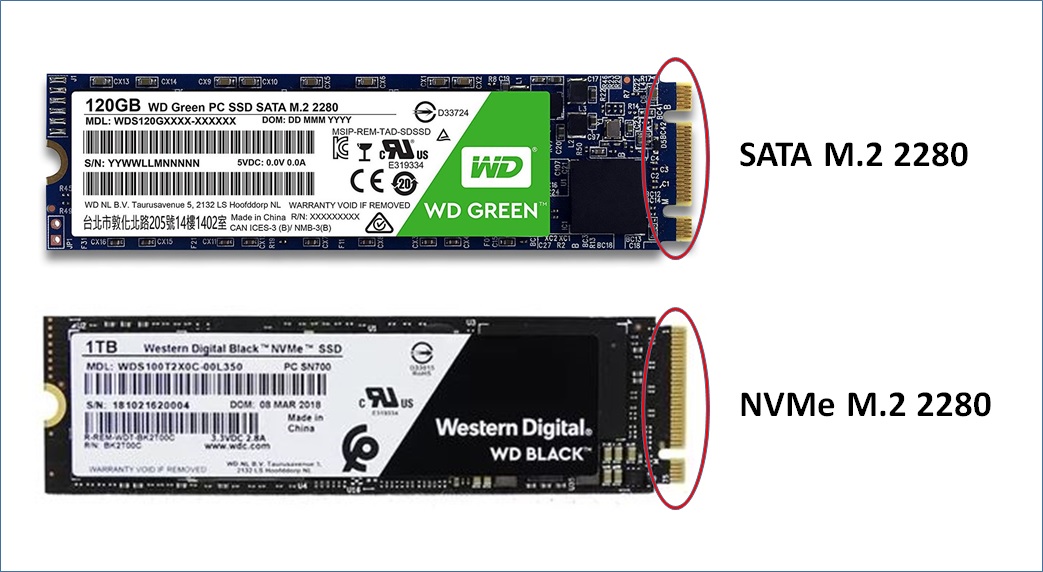
If an m. 2 ssd uses nvme protocol, its performance will be much better than that of sata ssd. When users buy an m. 2 ssd, please pay attention to the data transfer protocol. Besides, users can change data transfer protocol in bios to improve.
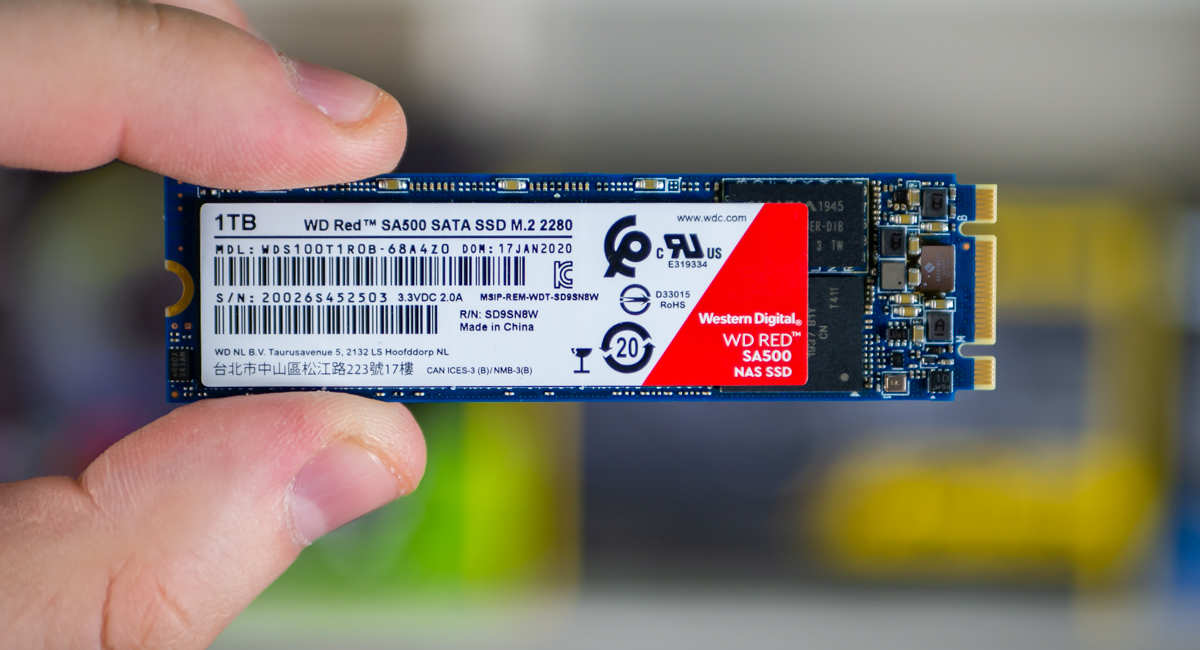
These same speeds apply to m. 2 ssds that utilize the sata protocol, so watch out for that when buying an m. 2 drive. If you want greater speed, you need a pcie m. 2 drive, not a sata m. 2 drive. In theory, an m. 2 pcie ssd is more like a sata ssd on a supercar.
While the sata interface is capped at 6gb/s, pcie 3. 0 has 32gb/s of the bandwidth throughput, which is a lot faster. It's even a lot faster with the next pcie generations, such as pcie 4. 0, pcie 5. 0, pcie 6. 0, which have the bandwidth throughput at 64gb/s, 128gb/s, 256gb/s. By leveraging the pcie bus, nvme m. 2 ssds have theoretical transfer speeds of up to 20gbps which is already faster compared to sata m. 2 ssds with 6gbps.
Pcie buses can support 1x, 4x, 8x, and 16x lanes. Pcie 3. 0 has an effective transfer speed of up to 985 mb/s per lane which means there is a potential transfer speed of up to 16gb/s. As detailed above, the main difference between nvme and sata ssds is the interface used—nvme uses a pcie interface while sata ssds use a sata interface.
It lasts longer and performs better than the traditional hard disk drives. Peripheral component interconnects express. Pcie is also known as pci express.
Serial advanced technology attachment. For comparison’s sake between m. 2 sata ssd vs m. 2 pci express (pcie) ssd, pci express is more like a sata ssd on steroids. In a theoretical mad dash to the finish line, an m. 2 pci express ssd leaves an m. 2 sata ssd in the dust.
Compare and contrast theoretical pci express bandwidth in the excess of 20gb/s to sata iii which is. Nvme drives use a pcie connection on your motherboard. Pcie is much faster than sata and helps flash storage to reach its full potential.
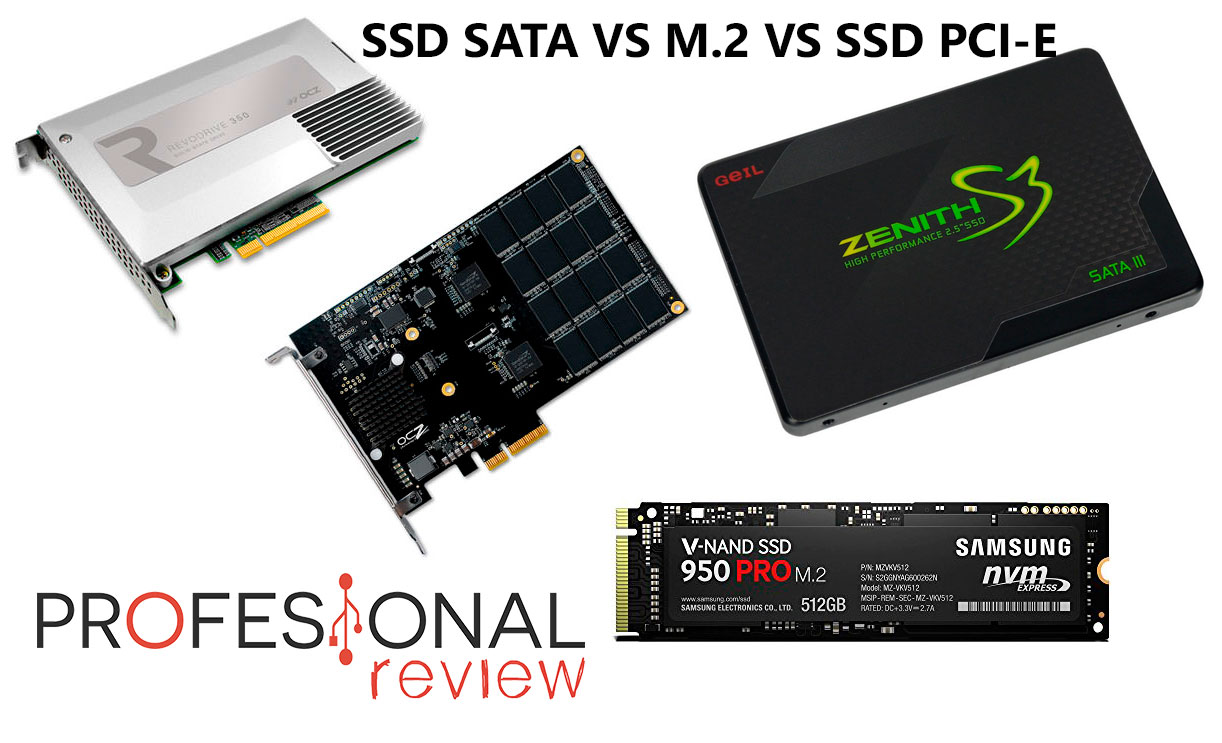
These types of drives come in two form factors. M. 2 and add in cards. Key differences between nvme, m. 2, and sata ssds.
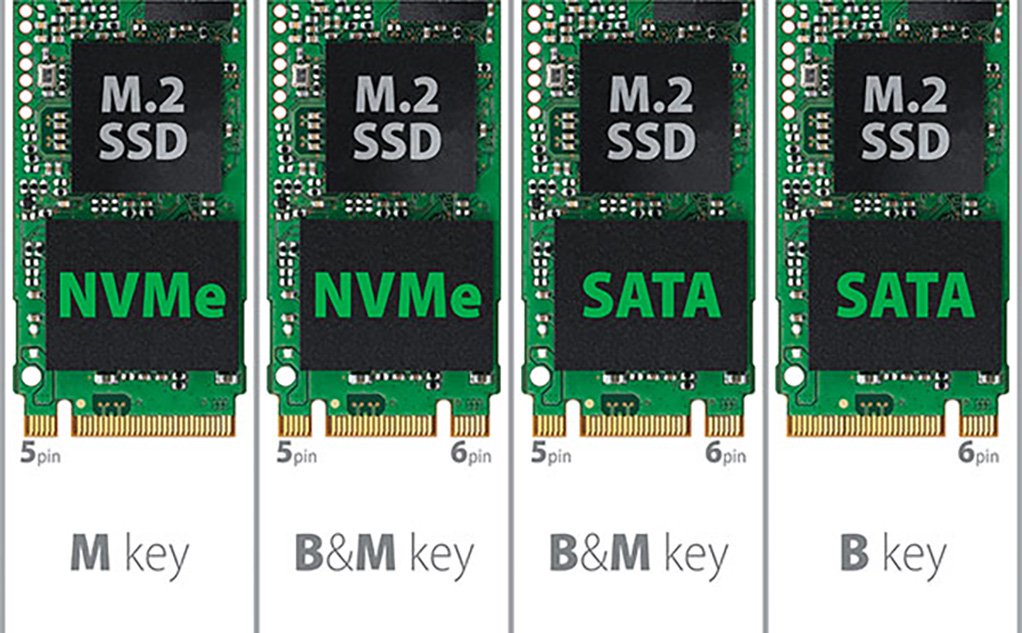
Expect to pay between $120 to $200 for a 1tb pcie 4. 0 drive, with less expensive. M. 2 2242 & m. 2 2280. M. 2, formally known as ngff, has two types of interface in total:
Socket 2 and socket 3. Personally i'm gonna use the 250gb 960 evo (only costs $128 at b&h) as my os/apps/games drive and a regular 1tb m. 2 ssd for storage. Thanks for all of the advise and comments.
Decided to go with 960 evo (not pro) 1tb for os and software, will update as needed in the future as my mobo supports 2 m. 2 drives. Both ssds utilize the same connection protocol, that is pcie, and similar interface technology, that is nvme. The only difference between these two ssds is their form factors and physical connector.
M. 2 nvme is plugged into the motherboard through the m. 2 connector slot while nvme pcie ssd is connected by the pci express bus, as we’ve discussed. Thus, it is more of a form factor. On the other side, sata is a bus interface, particularly for data storage devices.
When it comes to the selection of the best ssd for different purposes, you can use m. 2 pcie ssd for gaming pc. M. 2 sata drives now make sense to buy, perhaps only if you have a relatively old laptop that only supports them. In the case of more modern chipsets, the difference in speed can reach five or even ten.
Combining the nvme ssd and the pcie connection results in read and write speeds that are four times faster than a sata interface/ssd. Nvme complements the parallel structure of contemporary cpus, platforms, and applications. These parallel structures allow for more commands to flow simultaneously.
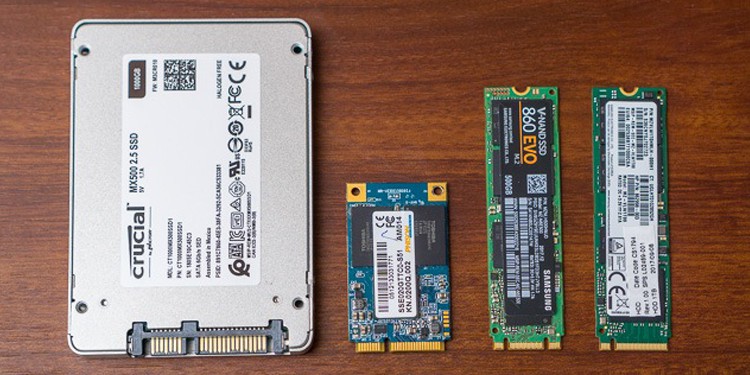
Here is a form about the drive dimensions of msata vs m. 2 ssds: Performance, capacity, and price. As mentioned above, m. 2 ssds have different interfaces.
So, the performance of m. 2 ssd vs msata also depends on the interface. An m. 2 ssd with the sata interface can extend the data transfer rate beyond the 6 gbps limitation of an msata or sata ssd.