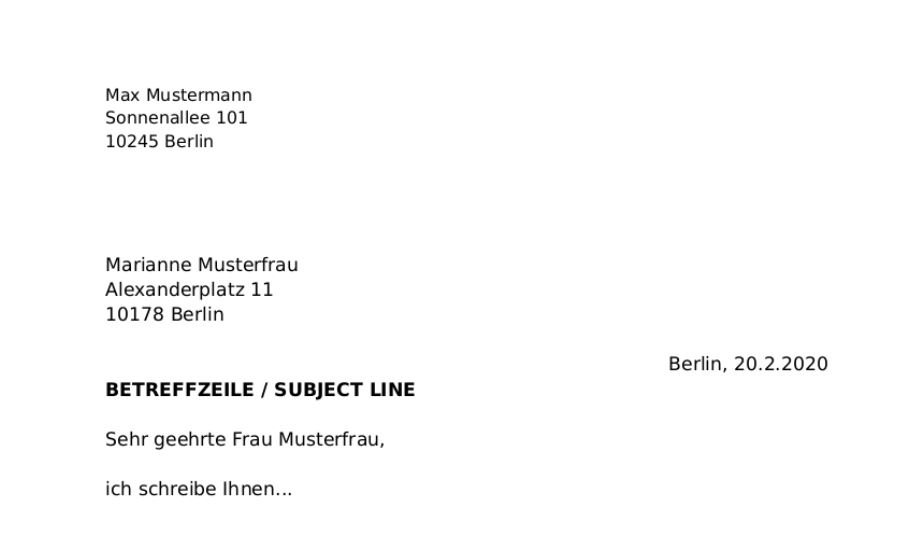
Last, check our useful phrases for writing an email in german to avoid grammar mistakes. How to start an email in german: Composing the main part of an.
Depending on what email client you are using, the steps involved in writing an email in german may vary. However, some basic tips that are applicable to most email clients include: In the german language, formal emails always start in a formal manner i. e.
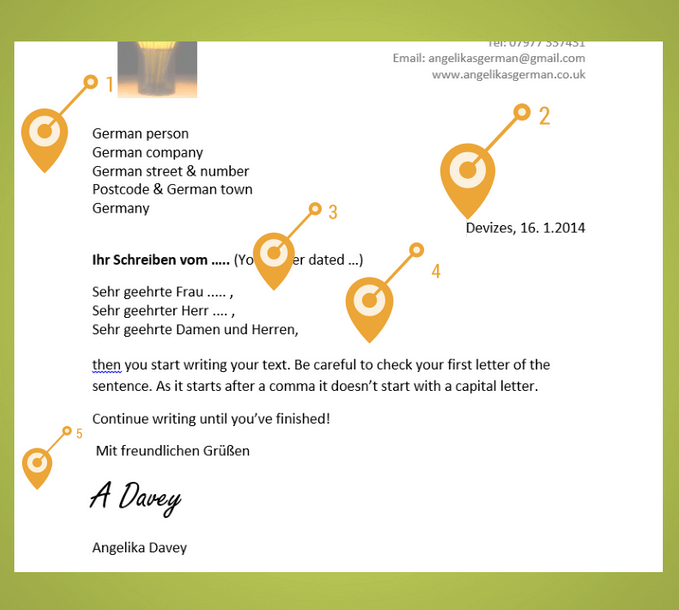
Sehr geehrte means very dear or most honored and so and so. German email greetings, sehr geehrte damen und herren, the german equivalent of “ladies and gentlemen. ”, you would only use this when you don’t know who will be reading. The greeting or regards for the email:
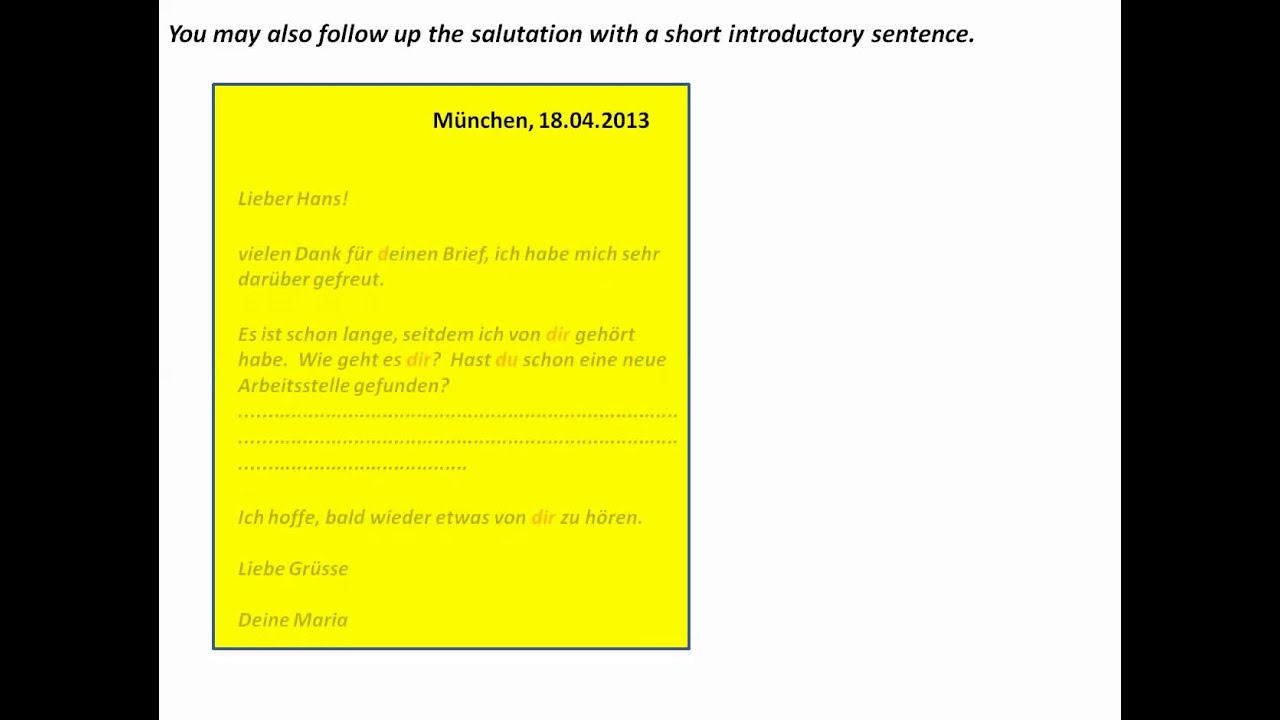
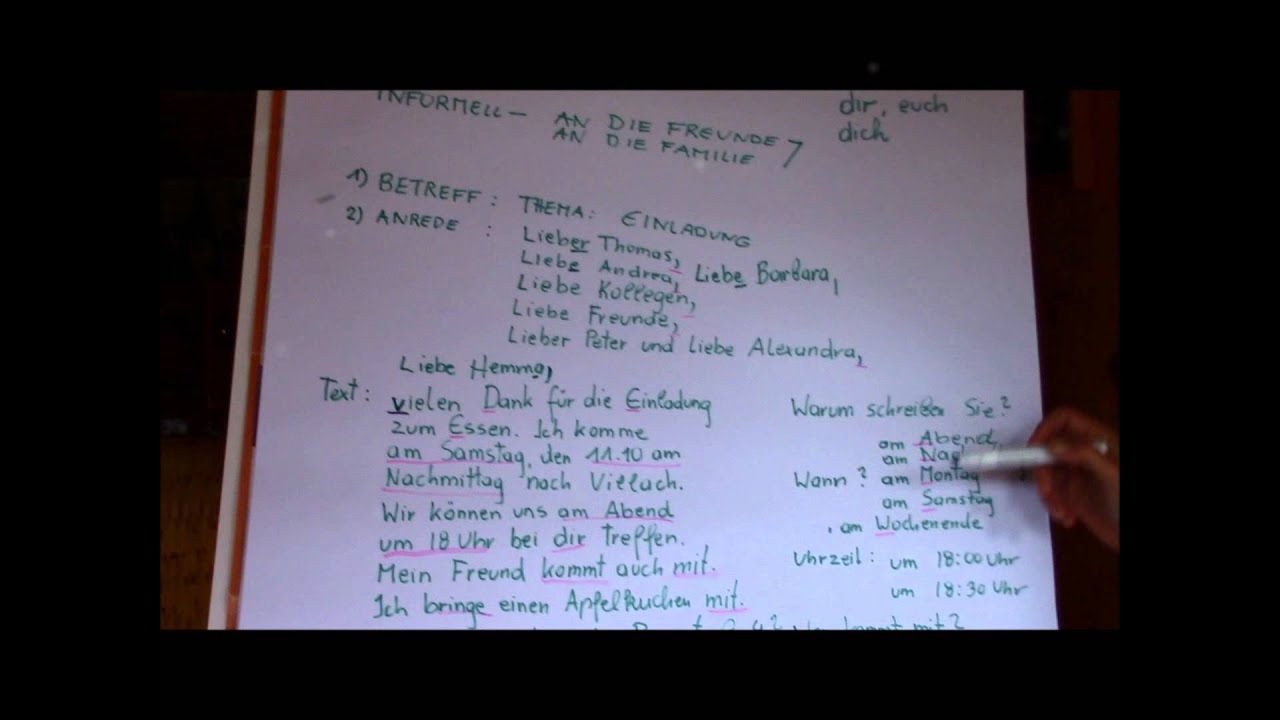
Herzliche grüße, or mit freundlichen grüße, or liebe/viele grüße. Always use formel personal pronouns. Lieber…. , (this is the equivalent to dear and used only for close male relatives or friends.
Liebe……. , (same thing as above, except used for females. ) unlike english,. The more formal an email is, the less likely you will use your first name after the email closure in german. Make sure to address your letter correctly and to use proper salutations and closings.
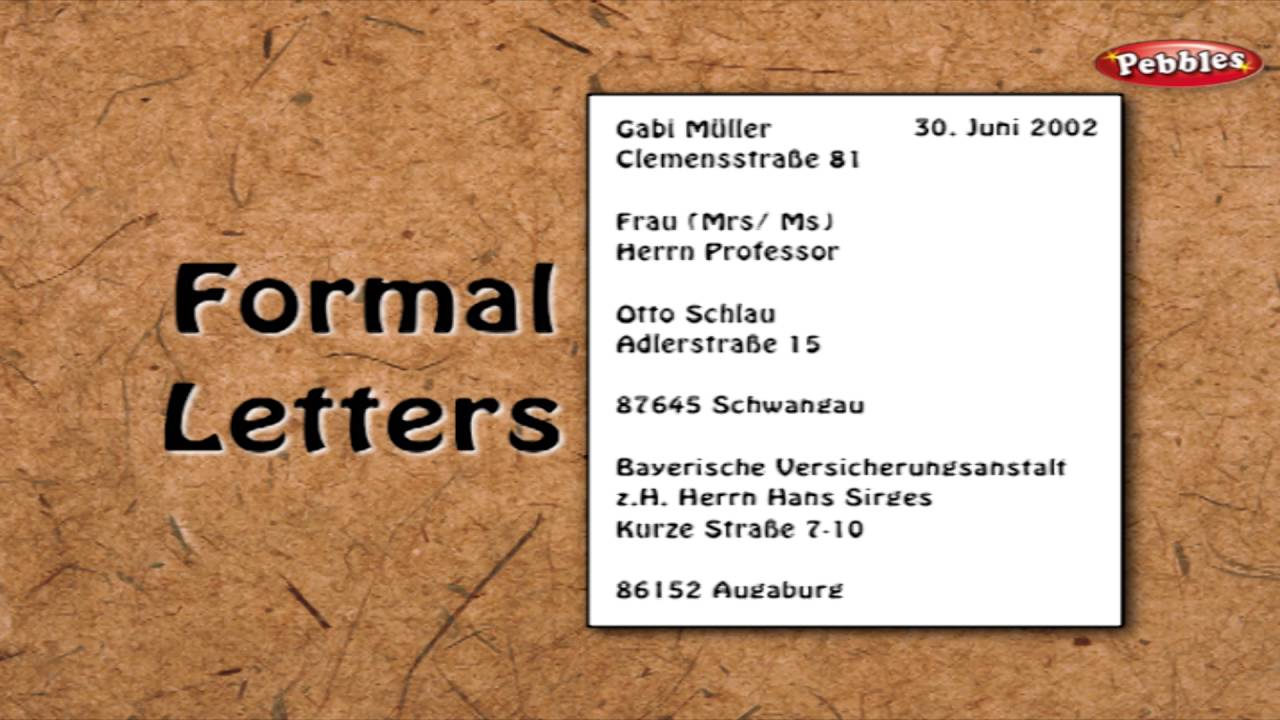
Above all, follow the rules of etiquette that vary depending on whether your letter is. How to close a german language letter or email. As in english, you can also follow your closing statement with your [your name].
Formal emails (and letters, for that matter) in german start in an equally formal manner: Make sure to use the correct case. The german greeting “hallo” is probably the most neutral way to start a letter or email.
Accordingly, it may also be used to address a friend or even your partner. To begin your german email with a formal salutation, consider using: Hallo is a common way to begin german email greetings when you’re taking a more casual tone.
Meaning “hello”, this can be used for both male and female addressees in an informal letter or.



/ThoughtCoChalkboard14-5bc4e354c9e77c005156cfae.png)