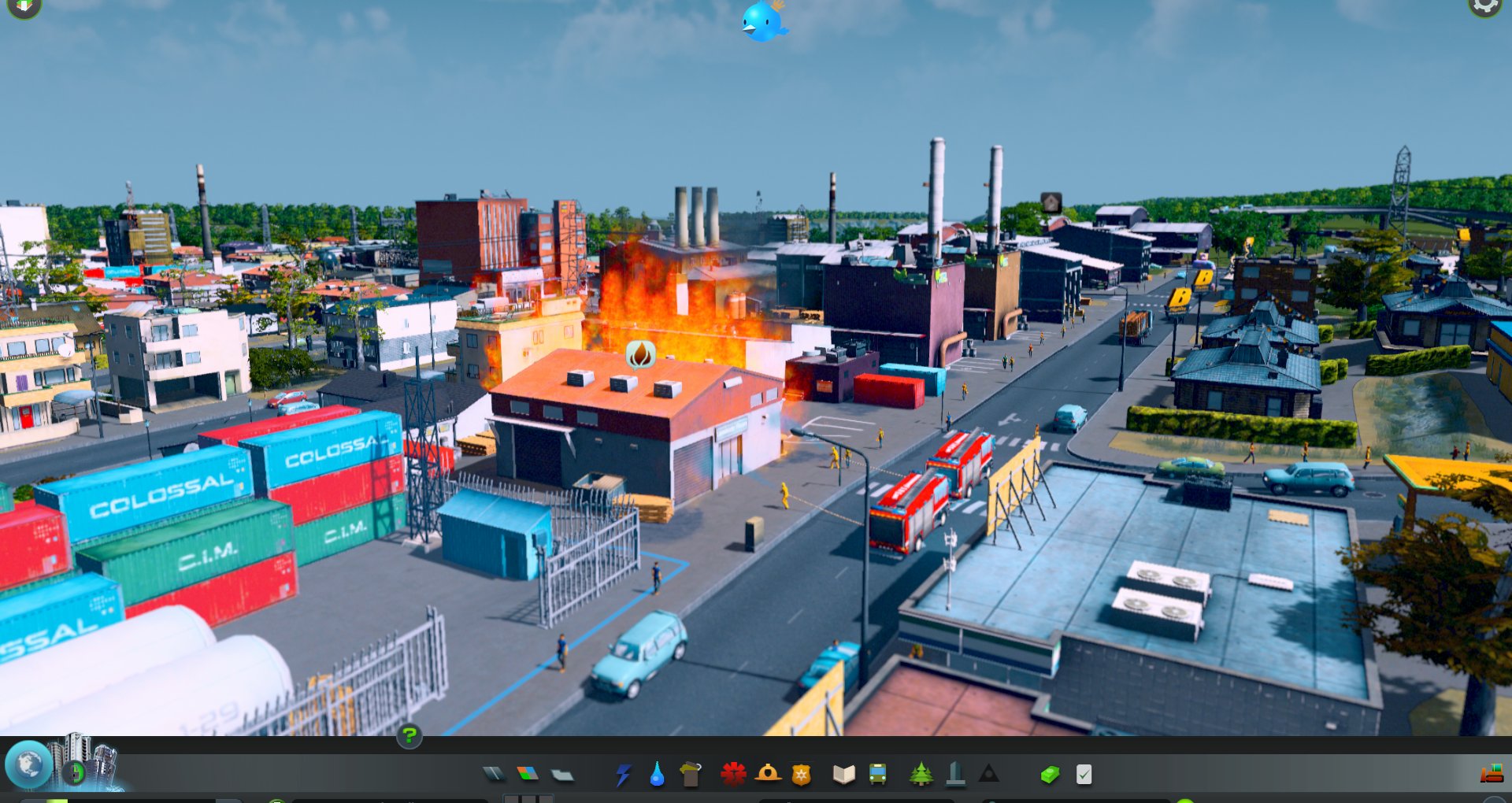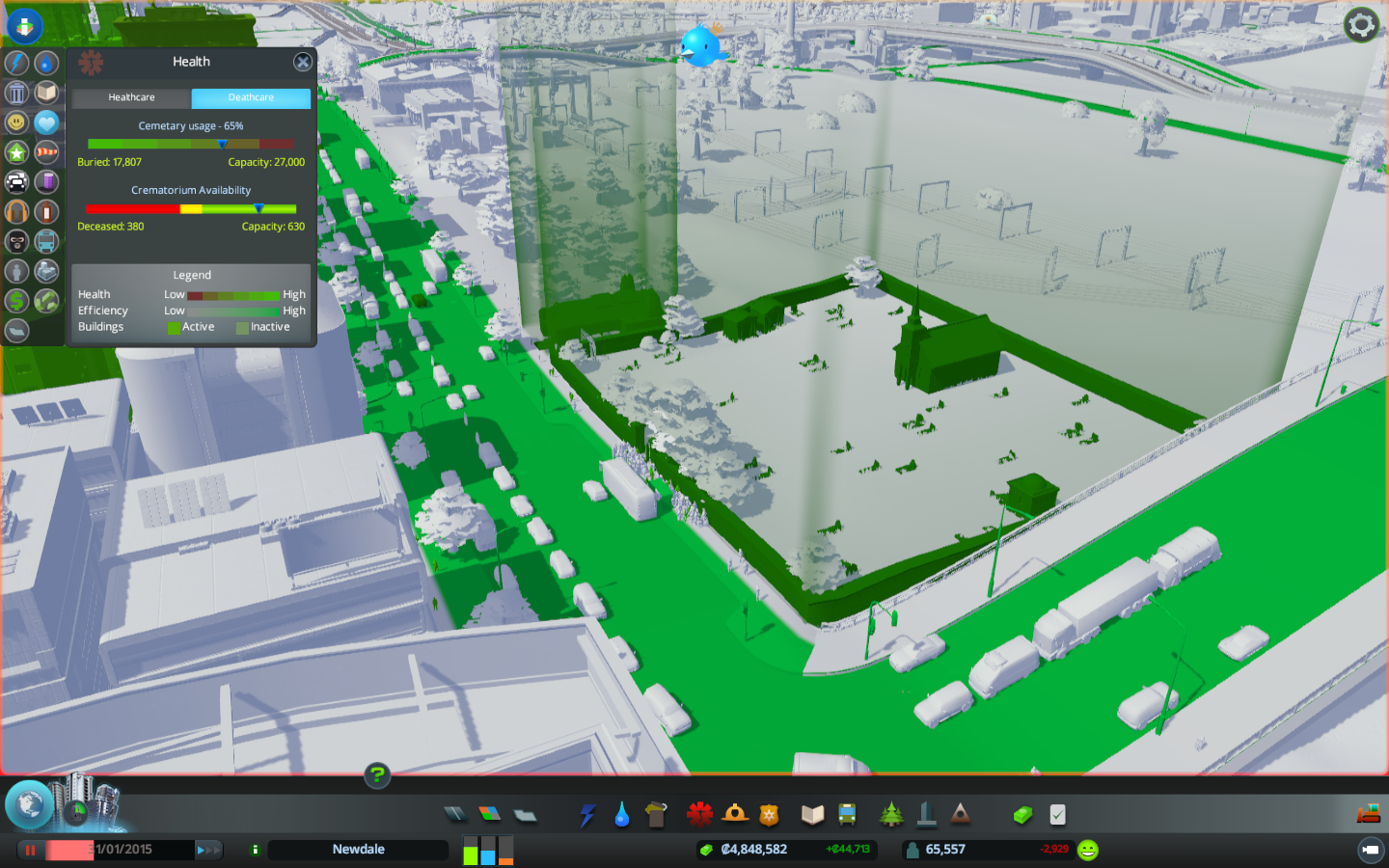
How to increase residential, commercial and industrial demand created with movie studio Sometimes there are not enough workers because the factories are too far from the residential areas and it takes too long for cims to go to work, provide good public transport and try solving traffic issues. Also try to get to the point where your only imports are non renewable resources and everything else is produced locally.
13 essential quality of life mods. Skylines is already a fantastic game, but it is made even better with the addition of these mods. You can create some truly beautiful creations in a game as powerful as cities:
It is a fun city builder with a great difficulty curve and the option to play in sandbox mode. There are currently 75. 000 people in it. Watch your unemployment, get it down to %5 or less and you will get demand for residential.
Put your taxes back up before everyone moves out of your city when you raise taxes again. Just set taxes to 11% and forget about it. I haven't found any real use in raising or lowering taxes except to cause mayhem.
This guide will show and explain to you how to fix low or no demand for rci (residential, commercial, industry zones) in cities: Not only will you. Yet rci demand exists at about 10%, allowing the city to grow at a moderate pace.
But in another city that i have, the population is around 50,000. In both cases, i have all services at full coverage for all buildings. I heard that traffic and service problems can affect rci demand.
Proper zoning is one of the most important things to help make money early on—and for making a successful city anyway. Balance in your commercial and residential zoning is key. You don't want to crowd your residential areas with businesses or industry, and your business zones need to have enough space for trucks to deliver goods.
Beneficially they consume 30% less energy and produce 30% less garbage as compared to the standard residential buildings. Due to their lower dependence on city services, they generate 30%. Don't trust the rci demand graph.
It can be very misleading. Residential demand is demand by employers (c,i,o) for workers. They will enter the workforce later, but they won't immediately satisfy the demand for workers.
The first, ‘tourists’, shows you physically where your tourists are right now (and how many, indicated by a deepening shade of purple). Zoom in to see trains, buses, trams, cars and buildings shaded if they contain tourists. The second tab shows which buildings are contributing to the city’s overall attractiveness.
There are a few factors to this. People need to be able to get to work, so generally you need to have a residential area within a reasonable commuting distance of an industrial area. Traffic contributes to this, so if there's a ton of traffic between your residential and industrial areas, the industrial areas may lose.
The taxes also have a strong effect. I have notice that going up to 13% on high density residential will lower the demand by a lot. I'm still early in the game (around 1400 people) but i keep having enormous demand for residential zones.
No matter how much i have already made. In contrast there is only little commercial demand and zero industry demand. At the same time the few commercial zones i have keep complaining about not having enough workers.
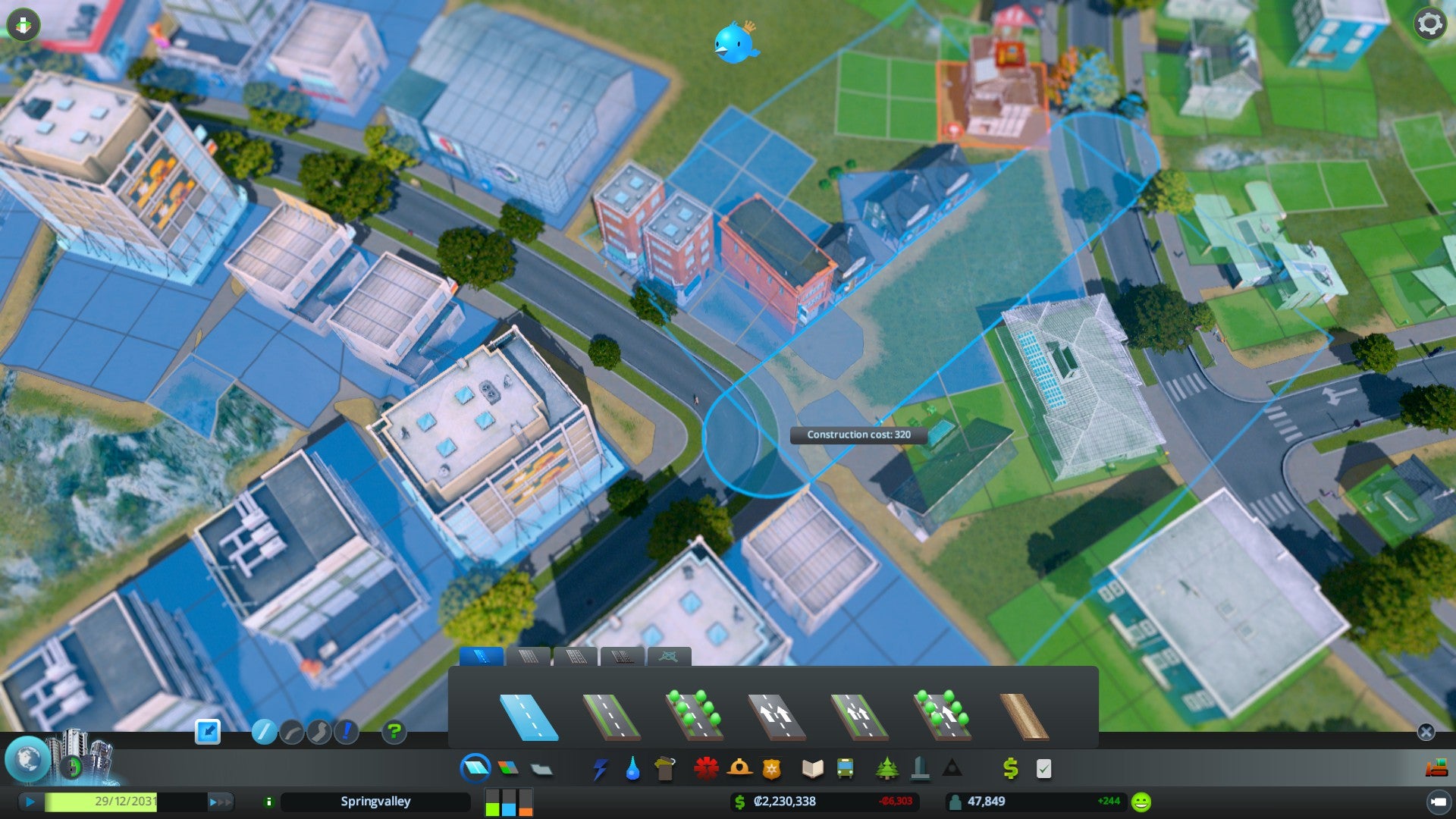
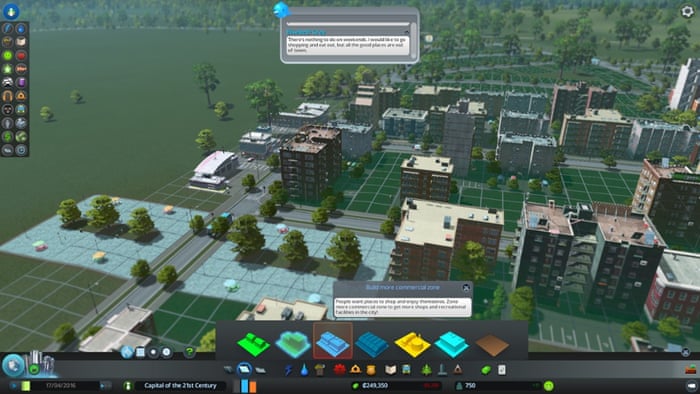
In cities skylines zoning is completely free. However zoning can only be achieved on the white squares that appear next to roads. All roads have a maximum range of 4 squares ensuring that buildings will always have access to a road.
Highways have no zoning space. Keep in mind that you can use different zoning tools. This article has been verified for the current version (1. 14) of the game.
Zones allow you to decide where houses, shops and factories will be built. When an empty zone is assigned a zone type, buildings will be built there automatically over time (assuming people want to live or do business there!). Grow your city naturally, including levelling up your residential and commercial (place services nearby, use parks etc), which will increase the amount of people each household can have.