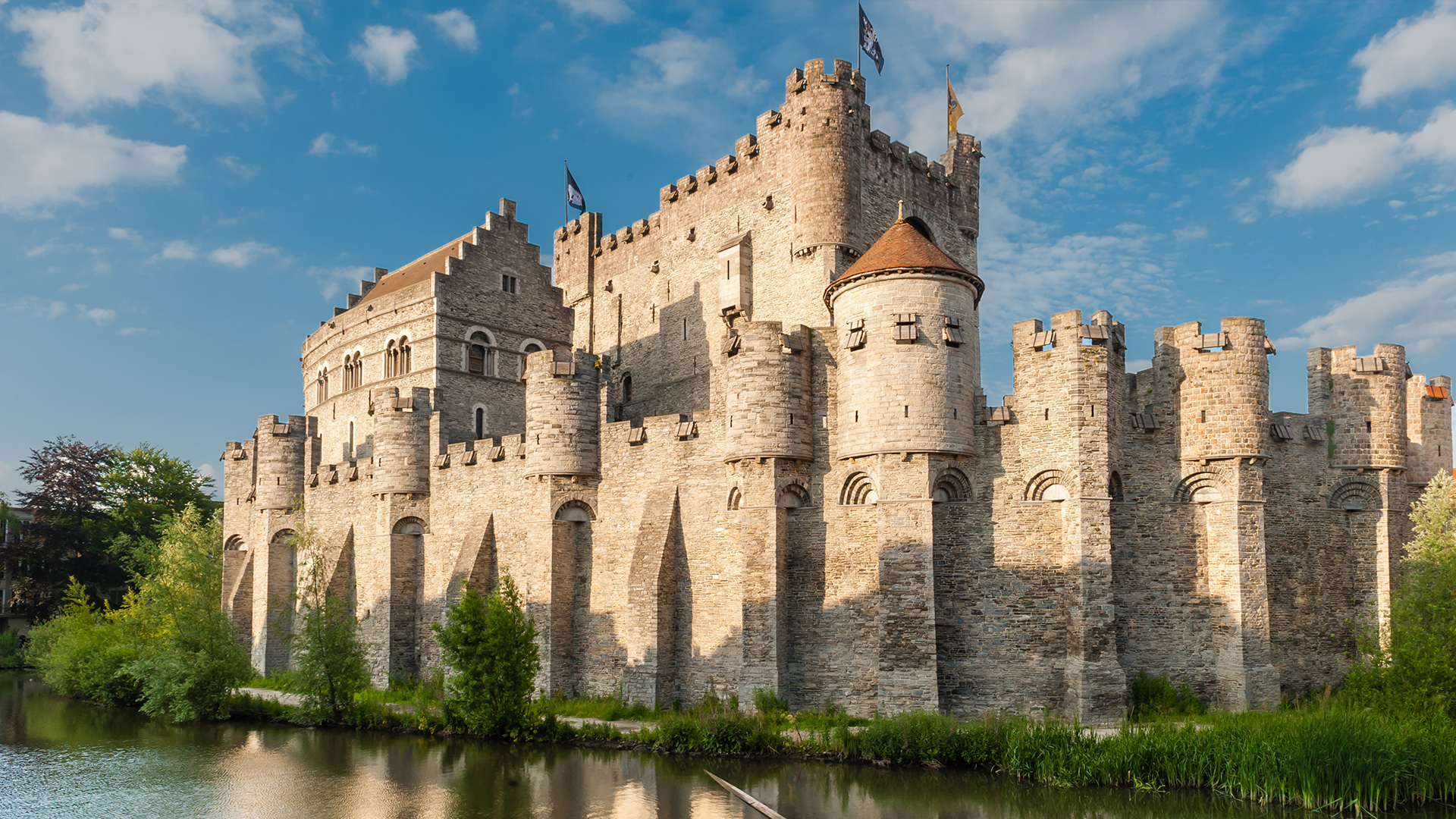
The castle of the counts is a medieval castle which is one of the touristic attractions of ghent. Within the walls of the castle you can use the 'joan vandenhoutte' room for evening events that can take in the historic nature of the building. The hall is suitable for concerts, lectures, academic conferences, receptions and dinners.
Gravensteen, or the castle of the counts, is the jewel in ghent’s historical crown. First built by arnulf i, count of flanders, gravensteen has been keeping watch over this spot on the leie river for over 800 years. If you only visit one attraction in ghent, gravensteen should be it.
The castle gives a brilliant overview of the area’s. A weekend trip to ghent is simply not complete without a visit to the mysterious ‘castle of the counts’. This important sight in ghent is a castle with a very turbulent past, closely intertwined with the complex—often stormy—political and social history of the city.
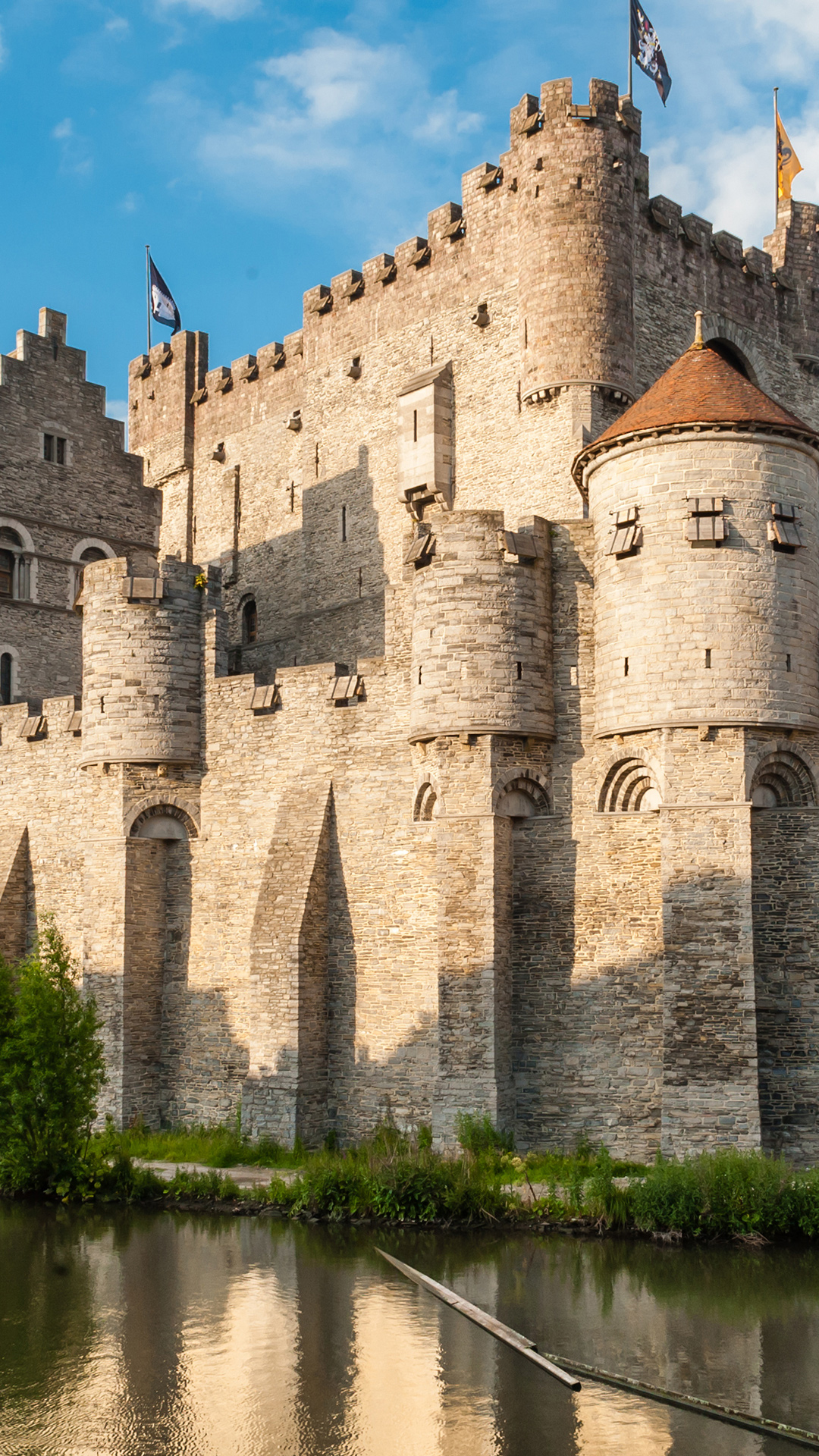
It is the only remaining mediaeval castle with a moat and largely intact defence system in flanders. Castle of the counts. Historische huizen gent historical houses list.
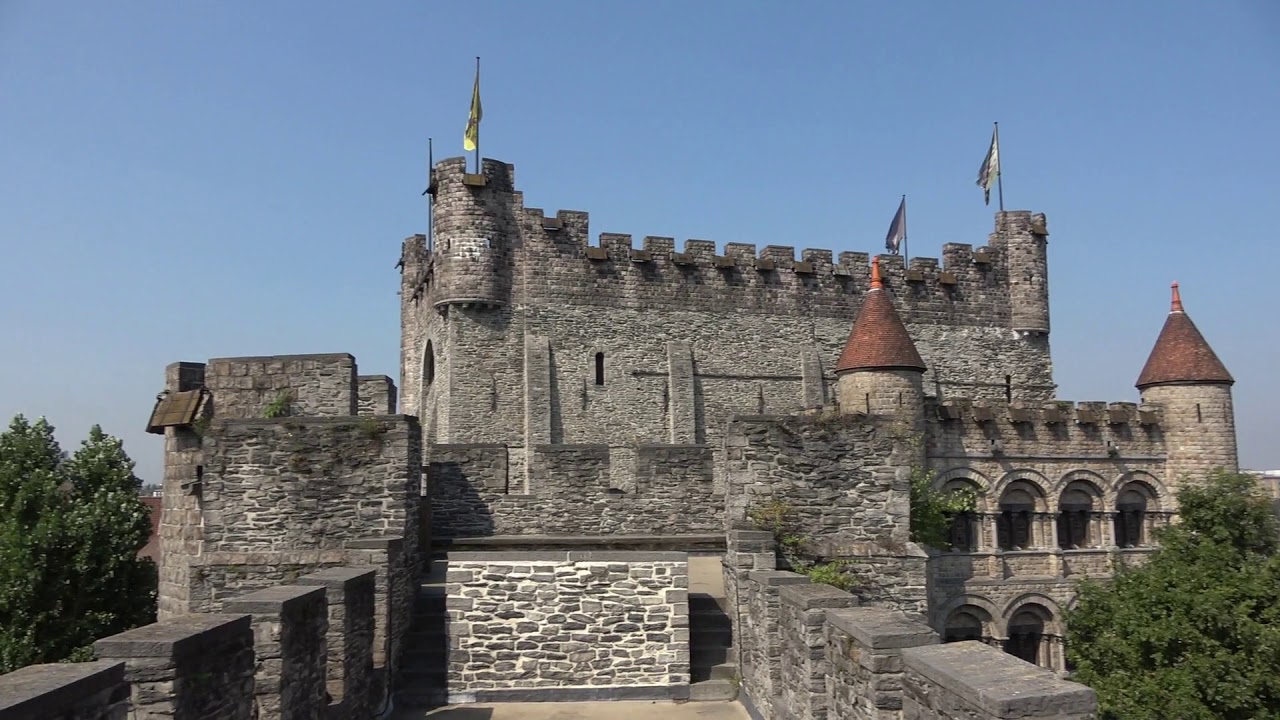
The castle of the counts is a medieval fortress in the city centre with charming corridors, narrow tower stairs, high rooms, and real battlements. No one has lived in the building for centuries, yet it is neither empty nor abandoned! There’s plenty to enjoy even today!
Literally castle of the counts) is a medieval castle at ghent, east flanders in belgium. The current castle dates from 1180 and was the residence of the counts of flanders until 1353. In the late 18th century, the castle of the counts was sold to private owners who later converted it into a factory complex.
In 1807, the fortress in the heart of ghent housed a cotton mill, and its outbuildings served as primitive dwellings for about fifty families of workers. When the mill and its workers left, the castle of the counts was in. More about castle of the counts:
Pictures, location on the map, similar places. A weekend trip to ghent is simply not complete without a visit to the mysterious ‘castle of the counts’. This important sight in ghent is a castle with a very turbulent past, closely intertwined with the complex—often stormy—political and social history of the city.
The castle of the counts is open every day from 10. 00 a. m. To 6. 00 p. m. Last tickets at 4:40 p. m.
Closed exceptionally on 24, 25, and 31 december and 1. With origins dating to the ninth century, gravensteen castle’s current building is circa 1180, when it was commissioned by phillip of alsace. Used for centuries as a residence for the counts of flanders, the castle was later used as a prison (complete with torture chambers), a courthouse, and a cotton mill in the 19th century.
Gravensteen (castle of the counts, in portuguese) is a medieval castle in the heart of the city of ghent, belgium. It is an authentic historic site with centuries of sometimes bloody history. There was a time when noble men rode their horses, knights dueled and prisoners screamed in fear of death on the grounds of this castle.
You can discover or rediscover the castle of the counts with the comedy audio guide by wouter deprez or with a personal guide. Groups and secondary school students can immerse themselves in the history of the castle during one of our guided tours. Information to visit the castle of the counts.
Lines 1 or 4 (stop “gravensteen”) bus: Lines 3, 17, 18, 38 and 39 (stop “korenmarkt”) opening hours: Open every day from 10 a. m.
To 6 p. m. Winter period (1 st. The castle of the counts in ghent.
Het gravensteen or the castle of the counts is a medieval fortress in the heart of the city with narrow tower stairs, strong battlements, rooms that appeal to the imagination, and a magnificent view over the city of ghent. The castle owes its existence to the counts of flanders. Once upon a time, gravensteen was home to the count of flanders and served as a symbol of their power in medieval ghent.
The counts abandoned the gravensteen in the 1300s. Then, this castle became a courthouse and prison. After the gavel swung and someone was found guilty, they were dragged below the castle to the prison.
Many were even tortured. The old medieval castle did not look so very different from ghent’s other typical working class districts. Only the old entrance gate served as a reminder of its medieval past.
Before the current construction, there was a wooden castle on the site. The castle was the seat of the counts of flanders until it was abandoned in the 14th century. It was used as a courthouse, a prison and even a factory.
At the end of the 19th century it was set to be demolished, but the city of ghent bought the castle and began to renovate it.